
What Are the Different Stages of Baby Development?
Your baby's first year is full of exciting changes. From their first smile to sitting, crawling and babbling, every stage brings new skills and discoveries.
Understanding the different stages of baby development can help you know what to expect and find simple ways to support your little one's learning through play.
Remember, every baby develops at their own pace, so these milestones should be used as a general guide rather than a checklist.
0–3 Months: Discovering the World
During the newborn stage, babies are beginning to recognise familiar faces, voices and smells while developing control of their movements.
You may notice your baby:
- Making eye contact
- Responding to sounds
- Beginning to smile
- Recognising familiar voices
- Lifting their head during supervised tummy time
How to support development:
Talk, sing and read to your baby, make eye contact and introduce short periods of supervised tummy time. High contrast books and age appropriate sensory toys can also encourage exploration.
3–6 Months: Becoming Curious
Babies become much more interactive during this stage. They are discovering their hands and learning how to interact with the world around them.
You may notice:
- Reaching and grasping toys
- Rolling over
- Laughing and squealing
- Recognising familiar people
- Bringing safe objects to their mouth
Encourage development with rattles, sensory toys and teethers, as well as simple games such as peekaboo and singing.
6–9 Months: Little Explorers
Your baby is becoming more mobile and curious. They are also beginning to understand cause and effect through play.
Typical milestones include:
- Sitting independently
- Beginning to crawl or shuffle
- Passing toys between hands
- Responding to their name
- Babbling
Try stacking toys, interactive books and safe sensory activities to encourage coordination and problem-solving.
9–12 Months: Growing Independence
By the end of their first year, many babies are becoming confident little explorers.
You may notice your baby:
- Pulling themselves up
- Cruising along furniture
- Waving and clapping
- Understanding simple words
- Pointing at objects
- Exploring toys in new ways
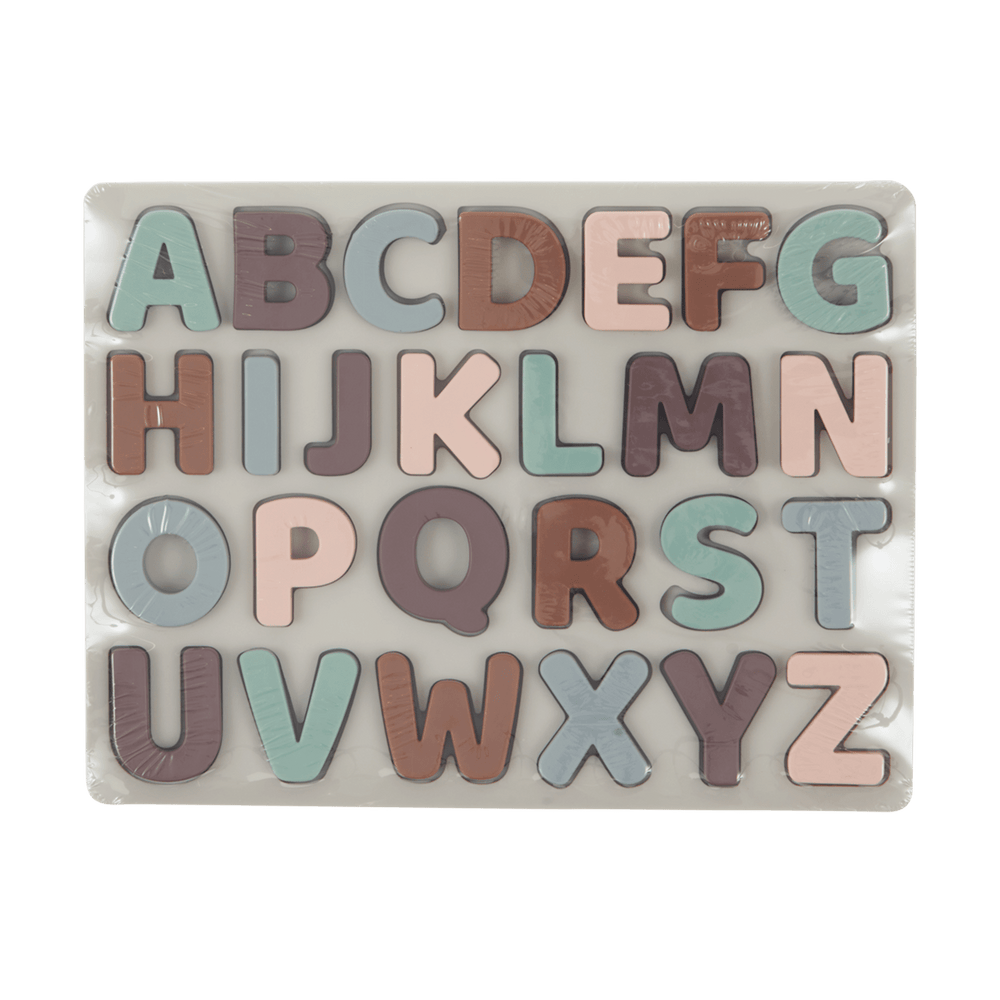
Simple puzzles, shape sorters, stacking toys and interactive books can help encourage fine motor skills, communication and problem-solving.
How Can Toys Support Baby Development?
The right baby development toys can make everyday play an opportunity to learn.
Sensory toys encourage exploration, rattles help develop grasping and coordination, while stacking and sorting toys can support problem-solving and fine motor skills.
You don't need complicated activities talking, singing, reading and playing together are some of the best ways to support your baby's development.
Every Baby Develops Differently
There is no exact timeline for when babies should reach every milestone. Some babies will crawl early, while others may focus on different skills first.
Enjoy your baby's progress, avoid comparing them too closely with others and speak to your health visitor or GP if you have any concerns about their development.
Most importantly, enjoy the little moments. Your baby's first year goes by quickly, and every new smile, sound and skill is something worth celebrating.

Author:Sasha Rameswari - General Manager
Updated: Sep 15, 2026
The organisational powerhouse behind Newly Born. Sasha manages daily operations, keeps everything running smoothly, and ensures every personalised gift meets our high standards.